Chocolate Cheese: A Friendly Script Handwritten Font for Digital Brands
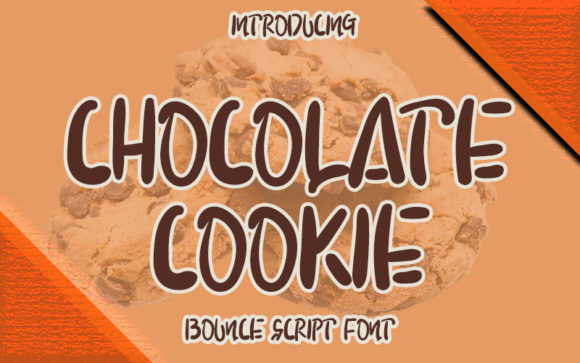
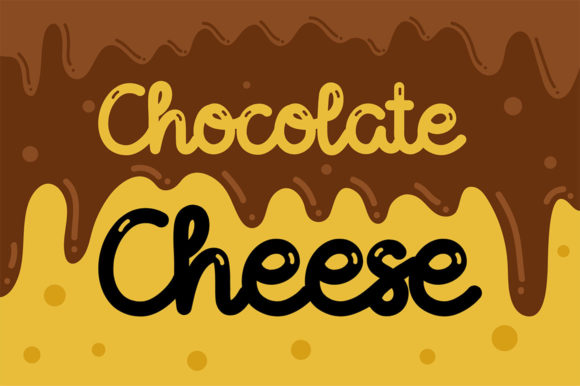
As a web designer who ships landing pages, SaaS dashboards, and boutique e-commerce sites weekly, I reach for Chocolate Cheese when I need a Script Handwritten font that feels human—not decorative, not gimmicky, but genuinely warm. Chocolate Cheese is a cute and casual handwritten font with an incredibly friendly feel. It’s not built for paragraphs or data tables. It’s built for moments where tone matters more than density: hero headlines, CTA buttons with personality, brand voice accents in product banners, and Instagram-first digital assets that need to land like a smile.
Chocolate Cheese for Instagram Captions and Social-First Web Headers
When your homepage hero section lives side-by-side with your Instagram grid, consistency isn’t optional—it’s conversion-critical. Chocolate Cheese bridges that gap seamlessly. Its soft entry strokes, gentle baseline sway, and open letterforms scale beautifully from mobile feed previews to full-width web headers—especially over muted gradients or textured backgrounds. Unlike tightly kerned calligraphy fonts that blur at small sizes, Chocolate Cheese retains legibility down to 24px on light mode and 28px on dark mode. Use it for short, high-impact phrases only: “You’re invited,” “Just launched,” “Yes, really.” Pair it with a neutral sans serif (like Inter or Manrope) for body copy—and you’ve got a responsive, brand-aligned typographic system that works across platforms without custom CSS overrides.
Chocolate Cheese for Boutique Online Store Banners and Product Badges
If you design for handmade goods, indie beauty brands, or ceramic studios, Chocolate Cheese delivers instant warmth in Fonts that feel tactile, not transactional. I use it exclusively for limited-edition badges (“Small Batch Only”), seasonal banners (“Spring Drop Live”), and cart abandonment pop-ups (“Your cart is smiling 😊”). Why? Because its casual rhythm signals approachability—not discount urgency. On Shopify themes or Webflow stores, I apply Chocolate Cheese as a display font via @font-face, limiting it to and elements. It loads fast, supports WOFF2, and includes standard Latin glyphs—no missing accents on “café” or “naïve” in product titles. Just avoid pairing it with other script fonts; contrast is key.
Chocolate Cheese for Creative Portfolio Site Headlines and Project Titles
Your portfolio isn’t just a list—it’s proof of voice. That’s why Chocolate Cheese shines in project headlines on personal or agency sites. Its Script Handwritten charm makes “Brand Identity for Luna Co.” feel collaborative, not corporate. I layer it over subtle SVG illustrations or soft-focus photography—never busy patterns—and always test contrast ratios against background color using Chrome DevTools. For accessibility, I keep Chocolate Cheese at 36–48px on desktop, never smaller than 28px on mobile, and always wrap it in semantic heading tags. Bonus: its friendly weight holds up in dark mode when paired with a light-gray sans serif body font—no visual fatigue after scrolling.
Chocolate Cheese for Coaching Website CTAs and Email Opt-In Buttons
In conversion-focused layouts, tone drives trust faster than features. When designing for life coaches, wellness practitioners, or creative mentors, Chocolate Cheese softens the “sell” into an invitation. Try it on buttons like “Start Your Journey” or “Let’s Chat”—not “Buy Now” or “Get Started.” Its casual flow reduces cognitive friction, especially for audiences wary of overly polished tech branding. In Figma prototypes, I test Chocolate Cheese against button padding, hover states, and tap targets: it works best at 18–20px on buttons (with generous line-height), always with a minimum 44px touch target. And yes—it’s fully licensed for commercial use across client websites, email templates, and digital course platforms like Teachable or Kajabi.
Chocolate Cheese for Blog Post Headers and Newsletter Subject Lines
Blog headers set expectations before a single word is read. Chocolate Cheese tells readers, “This isn’t dry advice—it’s real talk.” I reserve it for H2s only—not H1s (too dominant), not H3s (too fragile). Examples: “Why Your First Draft Doesn’t Need to Be Perfect,” “How I Fixed My Portfolio in 48 Hours.” On WordPress or Ghost sites, I serve it via self-hosted WOFF2 with fallbacks. Pro tip: enable font-display: swap so headlines render immediately—even if the font is still loading. And because Chocolate Cheese is a cute and casual handwritten font with an incredibly friendly feel, it pairs perfectly with editorial serifs (like Crimson Text) for long-form posts, or clean sans serifs (like Poppins) for scannable listicles.
Chocolate Cheese for DIY Brand Kits and Digital Template Packs
If you sell Canva templates, Notion brand kits, or Figma UI libraries, Chocolate Cheese is a high-value inclusion. Designers search for “cute handwritten fonts for brand kits” daily—and Chocolate Cheese delivers both aesthetic cohesion and licensing clarity. It’s optimized for digital use: no extraneous flourishes that break on small screens, no ligatures that misrender in email clients, and no variable axes that complicate template exports. I embed it in template READMEs with usage notes: “Use for logo lockups, social bios, and quote graphics—never for legal disclaimers or pricing tables.” Clients appreciate the specificity. You earn trust—and repeat purchases.
Chocolate Cheese for Wedding Invitations and Elegant Branding
Even in premium niches, warmth wins. Chocolate Cheese brings elegance without stiffness—ideal for wedding stationery embedded in microsites, RSVP landing pages, or digital save-the-dates. Its Script Handwritten style reads as intentional, not improvised. I pair it with thin serif body text (e.g., Playfair Display Light) and limit color to charcoal + cream or slate + blush. On mobile, I increase letter-spacing by 0.5px to prevent crowding—and always test print PDFs for glyph integrity. Since Chocolate Cheese includes OpenType alternates (like swash capitals), designers can add subtle polish without switching fonts. And yes: the license covers printed materials *and* web use—no extra fees for client deliverables.